Fiberglass-reinforced plastic (FRP) is used in many industrial applications because it is strong, lightweight and resistant to corrosion. Even so, several myths still create confusion about how the material performs.
Here are seven common myths about FRP and the facts behind them.
Myth 1: FRP is Not Durable
FRP is designed to perform in demanding environments. Its fibre reinforcement provides strength, while the resin system helps protect it from moisture, chemicals and other operating conditions.
The exact performance depends on the materials, design and fabrication methods selected for the application.
Myth 2: FRP is Susceptible to Corrosion
FRP does not rust like steel. With the right resin system, it can resist exposure to moisture and many corrosive chemicals.
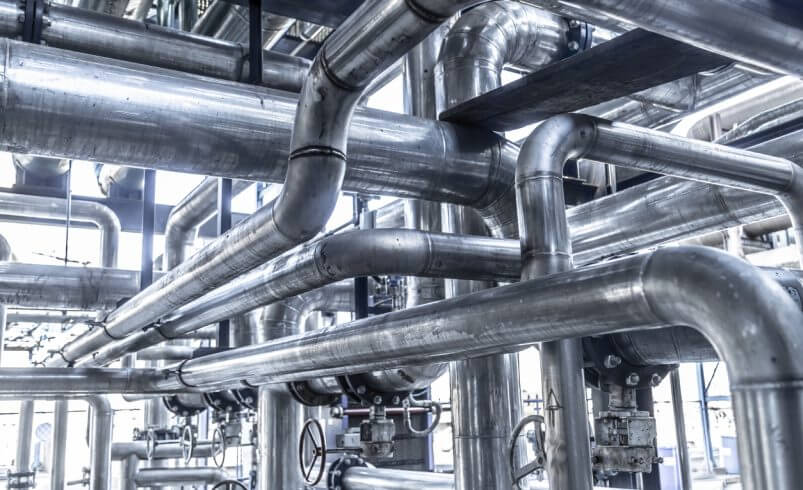
This makes FRP suitable for tanks, piping and equipment used in chemical processing, water treatment and other industrial environments.
Myth 3: FRP is Difficult to Install and Maintain
FRP is lighter than steel and many other traditional materials. This can make transportation and installation easier while reducing the need for heavy lifting equipment.
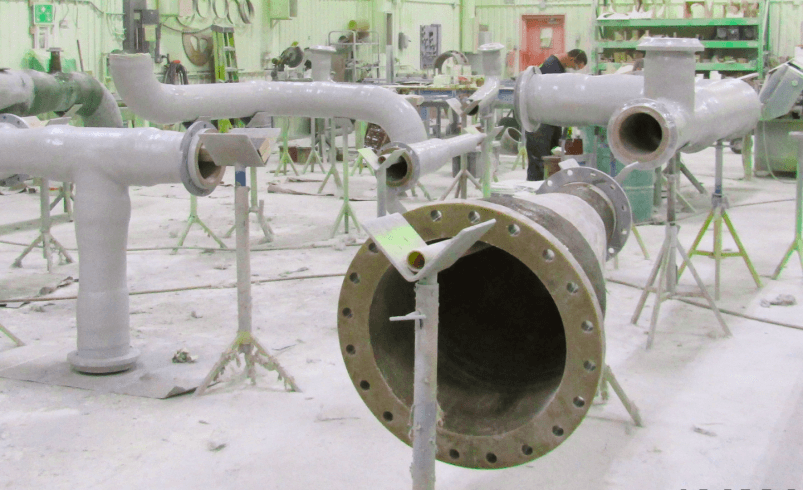
It can also be fabricated to meet specific project dimensions and operating requirements.
FRP generally requires less maintenance because it does not rust. Regular inspections are still important, but the schedule will depend on the equipment and its service conditions.
Myth 4: FRP is Limited in Design Flexibility
FRP can be moulded and fabricated into many shapes, sizes and configurations. This gives engineers greater flexibility when standard equipment will not meet the needs of a project.
The material can also be designed with specific properties, such as increased strength, chemical resistance or thermal performance.
Myth 5: FRP is Environmentally Unfriendly
Like any manufactured material, FRP has an environmental impact. However, its corrosion resistance and long service life can reduce the need for frequent repairs and replacements.
Manufacturers are also working to reduce production waste and improve energy efficiency.
The environmental impact of FRP should be considered across the full life of the equipment, not only during manufacturing.
Myth 6: FRP is Cost-Prohibitive
FRP may have a higher upfront cost than some traditional materials. However, the purchase price is only one part of the total project cost.
Other costs may include:
- Transportation and installation
- Inspections and maintenance
- Repairs
- Protective coatings
- Equipment replacement
In corrosive environments, the longer service life and lower maintenance needs of FRP can make it more economical over time.
Myth 7: FRP is Limited in Applications
FRP is used in a wide range of industries and applications, including:
- Chemical processing and storage
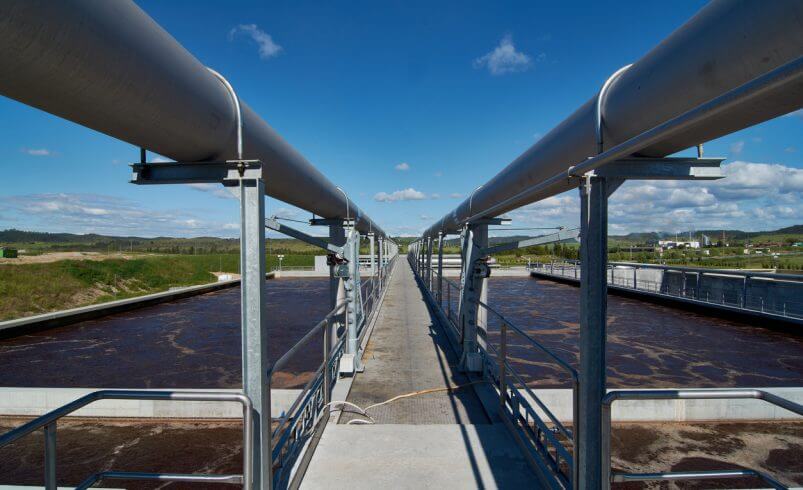
- Water and wastewater treatment
- Industrial tanks and piping
- Construction and architecture
- Transportation and aerospace equipment
Its combination of strength, low weight, corrosion resistance and design flexibility allows it to meet many different project requirements.
Facts About FRP
FRP is not the right material for every application. Its performance depends on the resin, reinforcement, equipment design, fabrication methods and operating conditions.
When properly selected and manufactured, FRP can provide a durable and corrosion-resistant solution for many industrial applications.
Troy Dualam designs and manufactures custom fiberglass-reinforced plastic equipment for demanding industrial environments. Contact our team to discuss whether FRP is appropriate for your project.